
Proof of Stake (PoS)
Learn what Proof of Stake is, how PoS validators secure blockchains like Ethereum and Solana, and the security risks users should know about.
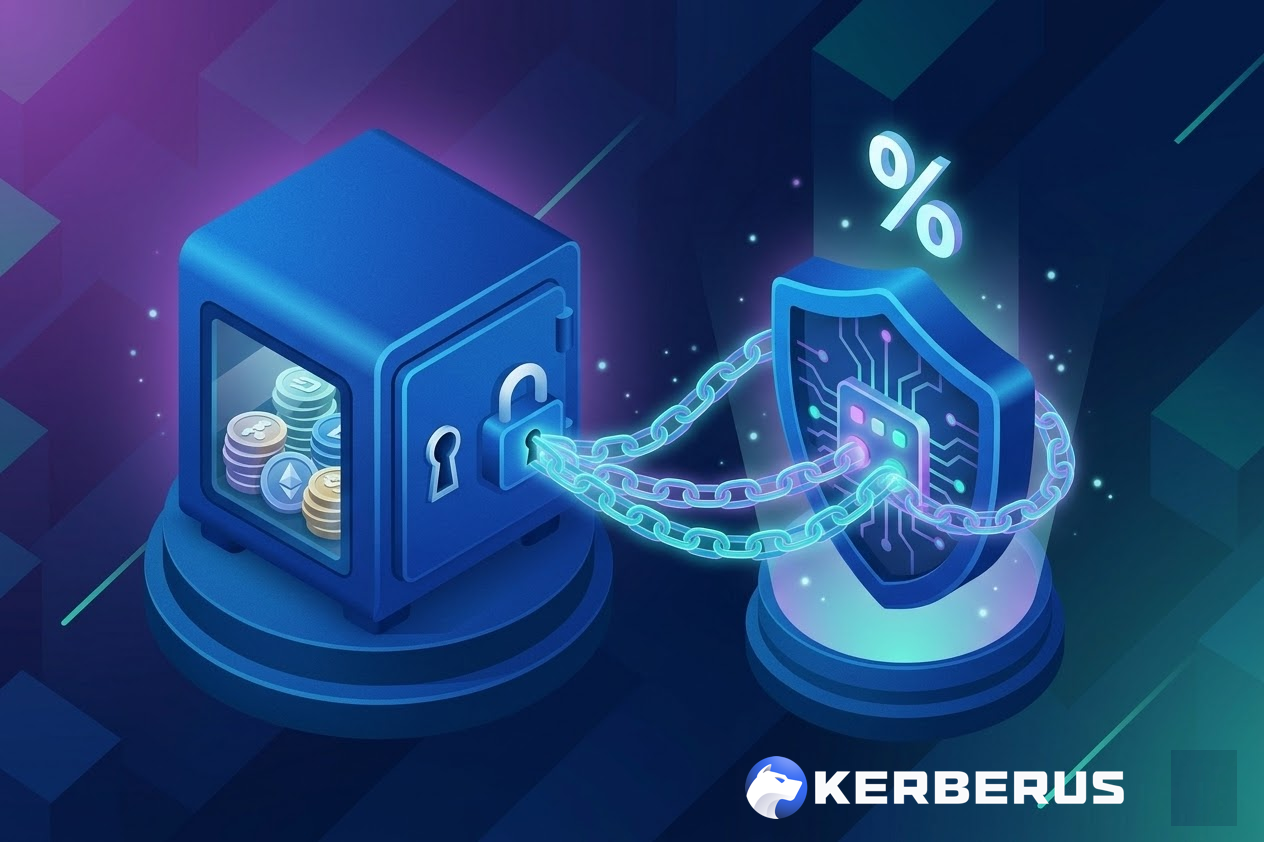
Learn what Proof of Stake is, how PoS validators secure blockchains like Ethereum and Solana, and the security risks users should know about.
What is Proof of Stake (PoS)?
Proof of Stake is a consensus mechanism where blockchain validators are selected to create new blocks based on how much cryptocurrency they lock up (stake) as collateral, rather than competing through raw computing power. Validators put their own capital at risk, and if they act dishonestly or go offline, the network can “slash” their stake, meaning they lose a portion of their locked funds.
The concept was first formally proposed in a Bitcointalk forum post in 2011, but Ethereum’s transition from Proof of Work to Proof of Stake in September 2022, known as “The Merge,” was the event that brought PoS into the mainstream. Today, the majority of major blockchain networks, including Solana, Cardano, Avalanche, and Polkadot, use some variation of Proof of Stake. Bitcoin remains the most notable holdout, sticking with Proof of Work.
How it works
Imagine a lottery where your chances of winning are proportional to how many tickets you bought, except the “tickets” are your staked tokens and winning means you get to validate the next block and earn transaction fees.
When a PoS network needs to produce a new block, it selects a validator (or a committee of validators) based on how much they’ve staked, sometimes combined with other factors like how long the stake has been locked. The selected validator proposes a block of transactions. Other validators attest that the block is valid. If enough attestations are collected, the block becomes finalized.
The security model flips the Proof of Work equation. Instead of needing 51% of computing power to attack the network, an attacker would need to control 33-51% of all staked tokens, which on Ethereum alone would cost tens of billions of dollars. On top of that, a caught attacker gets slashed, so the attack destroys their own capital.
Different chains implement PoS in different ways. Ethereum uses a system where validators need to stake 32 ETH to run a node. Solana uses a hybrid approach combining PoS with Proof of History for faster throughput. Delegated Proof of Stake (DPoS), used by chains like EOS and Tron, lets token holders vote for a small group of validators to run the network.
Security considerations
- Staking through third-party platforms or liquid staking protocols introduces smart contract risk. If the staking contract has a vulnerability, staked funds could be drained.
- Liquid staking derivatives (like stETH or mSOL) can depeg from the underlying asset during periods of market stress, creating unexpected losses for holders.
- Centralization risk is a real concern. On Ethereum, a small number of entities control a large share of all staked ETH, with Lido alone accounting for roughly 28-29% at various points in 2024-2025.
- Phishing scams frequently target stakers with fake “staking reward” or “validator upgrade” messages. Always verify URLs and never enter private keys or seed phrases on any site.
- Validator slashing is real. If you run your own validator and your node goes offline or produces conflicting blocks, you can lose a portion of your staked funds.
- Use Web3 security tools like Kerberus Sentinel3 to detect phishing and social engineering attacks that target stakers.
- Check our Learn academy for top crypto safety information.
Real-world cases
In October 2023, an Ethereum validator using the MEV-Boost relay was slashed after producing conflicting block proposals, losing nearly 100 ETH in the process. The incident demonstrated that slashing is not theoretical. On a larger scale, the collapse of the Terra/LUNA ecosystem in May 2022, which relied on a DeFi staking mechanism, wiped out approximately $40 billion in value, showing how staking-adjacent products can amplify losses during a crisis.
FAQ
Q: What is Proof of Stake?
A: Proof of Stake is a consensus mechanism where validators lock up cryptocurrency as collateral to earn the right to validate transactions and create new blocks. Instead of competing through mining and energy consumption, validators are selected based on how much they’ve staked. Dishonest behavior results in slashing, where part of their staked tokens is destroyed.
Q: Is staking crypto safe?
A: Staking on major networks like Ethereum or Solana is generally considered safe at the protocol level, but risks exist at other layers. Third-party staking platforms can have smart contract vulnerabilities, liquid staking tokens can depeg from underlying assets, and phishing attacks specifically target stakers. Always use reputable platforms and protect your wallet with tools like Kerberus.
Q: How much can you earn from staking?
A: Staking yields vary by network and market conditions. Ethereum validators typically earn between 3-5% APR, while other chains may offer higher or lower rates. Be cautious of platforms advertising unusually high staking yields, as these often carry elevated smart contract risk or may be outright scams.
Written by:
Werner Vermaak is a Web3 author and crypto journalist with a strong interest in cybersecurity, DeFi, and emerging blockchain infrastructure. With more than eight years of industry experience creating over 1000 educational articles for leading Web3 teams, he produces clear, accurate, and actionable organic material for crypto users.
- •8+ years in crypto & blockchain journalism
- •1000+ educational articles for leading Web3 teams
- •Former content lead at CoinMarketCap, Bybit, OKX
Related Terms
See more glossary terms



Install once & immediately get protected from scams, phishing and hacks. Zero losses for 250k+ users in 3 years. Now with up to $30,000 in coverage.
